Reserving a vehicle is a matter of mental model


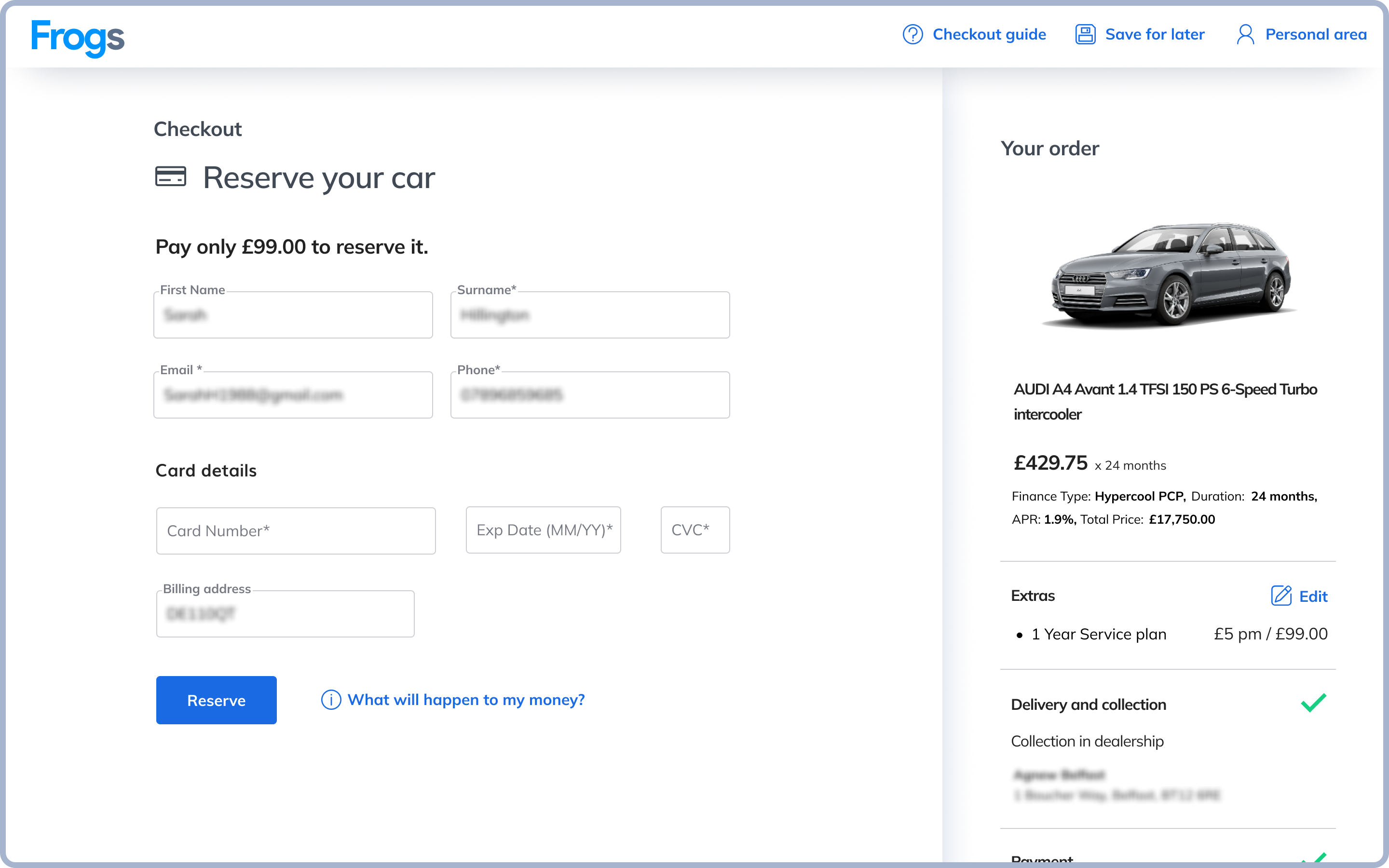
A reservation is a well-understood concept. So why were people abandoning the checkout the moment they encountered one?

‹ Back to projects
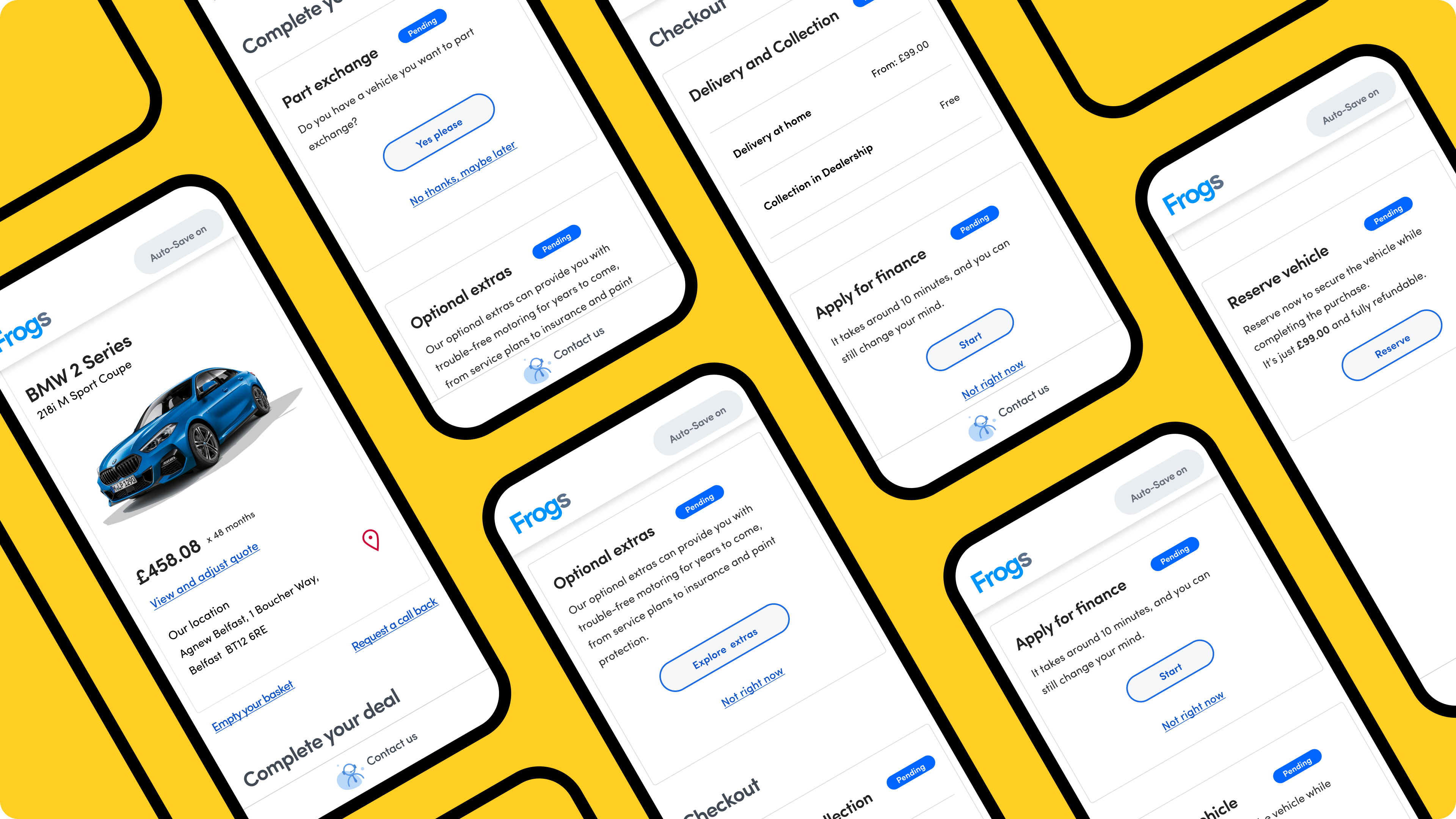
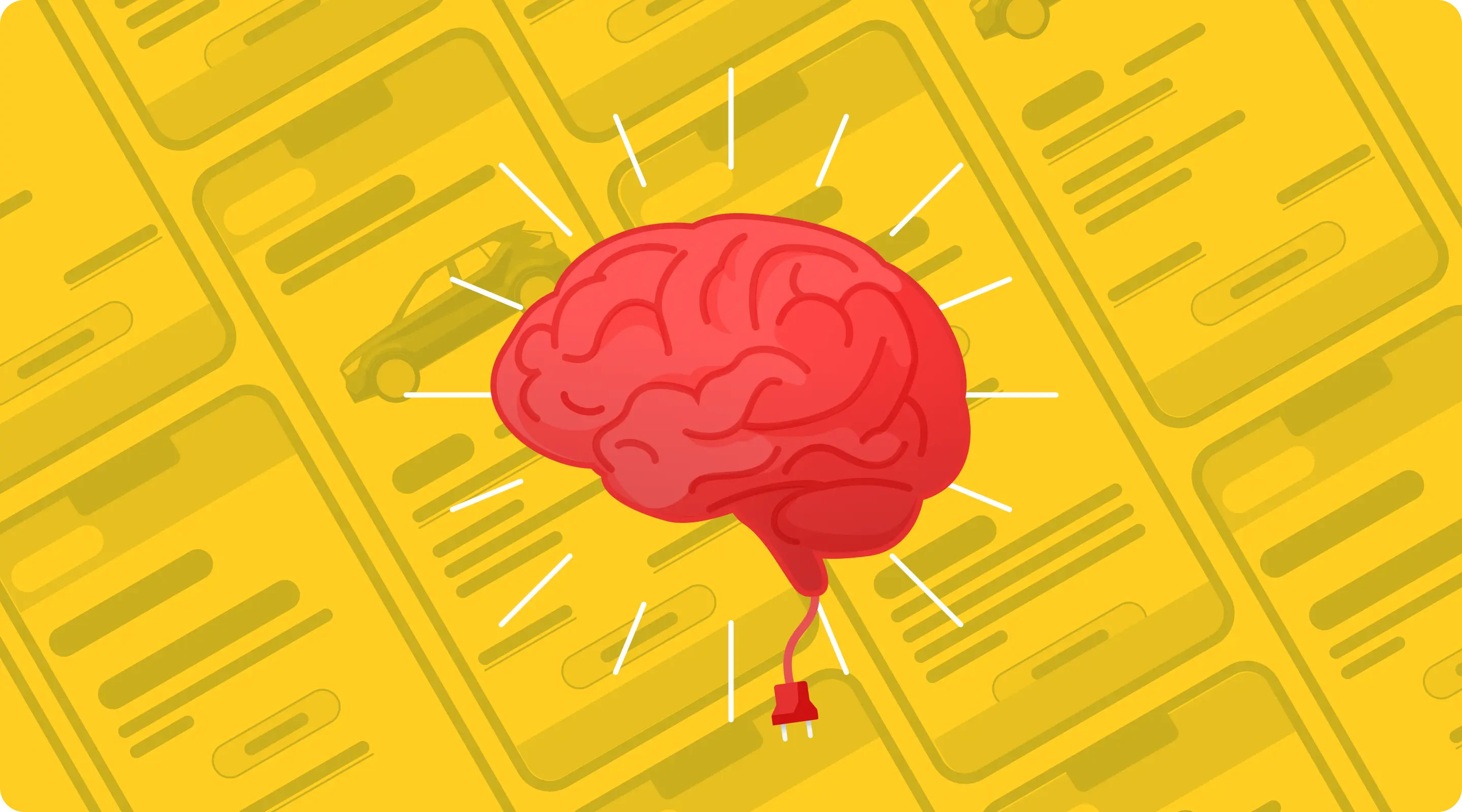
An illustration on a brain with an electrical plug unplugged, over a background of prototypes of the reservation journey.
Alternative Fonts:
Font Size:

Reservation had worked well as a standalone product — customers could hold a vehicle online before completing the purchase in a dealership. When we integrated it into the new digital checkout, the drop-off data told a different story.

We knew what was happening. We didn't know why. So I invested time and budget in qualitative research to find out.

The answer turned out to be a mental model problem. Users understood what a reservation was. What they couldn't reconcile was why they were being asked to reserve something they were in the process of buying. In a standard ecommerce journey, you don't reserve a product before purchasing it — you just buy it. The unfamiliar step, with no onboarding to explain why it existed, read as an obstacle rather than a safeguard.

The underlying logic was sound: vehicle purchases take time — finance applications require credit checks, lenders need up to 48 hours to respond, legal paperwork must be completed. Meanwhile, most vehicles sold online are unique physical stock. Without a reservation, a customer could complete half the journey only to find the car had been sold to someone else. Reservation protected both parties. But that reasoning was invisible to users.


User Research.

finance application iconScreening criteria:


users between the age of 25-65, who wanted to buy a new car. (Specific brands)

finance application iconNumber of users:


10

finance application iconMethodology:


Semi-structured interviews

We discovered that users understood the concept of “Reservation”, but it wasn’t clear why they should reserve a vehicle since they were buying it.
Reserving clashed with users’ mental model of how an E-commerce should work.

The similarity was also amplified by the approach we decided to take.
Stakeholders wanted the most functional and quickest possible journey, with as few clicks as possible.

This could have been problematic for an unfamiliar journey (traditional car sales rely on retailer guidance that drives and explain each step to prospective customers).
I disagreed with the approach but agreed to test it, on the condition that we could iterate based on findings. That condition mattered.

The research also proved that most people were reluctant to buy such an expensive item entirely online.
The transactional part was an emotionally dense experience, and they were not trusting it because there was not enough onboarding and reassurance about how the process would work.

The research gave us enough to work with. Rather than rebuilding from scratch, I proposed two targeted changes.


The Experiment.

First iteration:

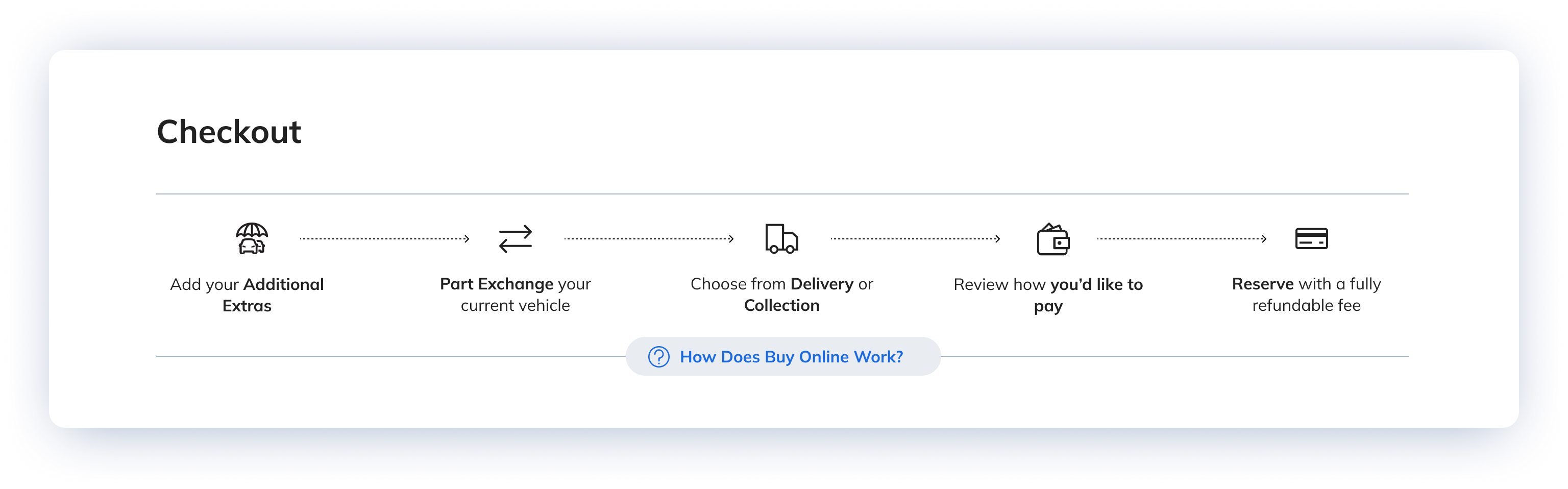
Drawing on the familiar pattern of a clickable stepper.
We designed a pattern resembling a stepper, with all the checkout touch points shown at the beginning of the journey. A slide-out with a more comprehensive guide to checkout becomes available by clicking on it. The user can close it, but if they desire to get information at some point, they already know where to look at.

The pattern is intended to explain in depth what the user should have done at each step (feed-forwarding).
We had to provide context, but people don’t read; people scan. So we spent quality time iterating to clearly craft content that would have allowed scanning and quickly identifying the reassuring bits.

The final solution was simple and relied on the action I hoped the user would have done on a standard stepper wizard: clicking on it.

My notebook and the smartphone we use for interviewing people.

pseudo-stepper

Second iteration:

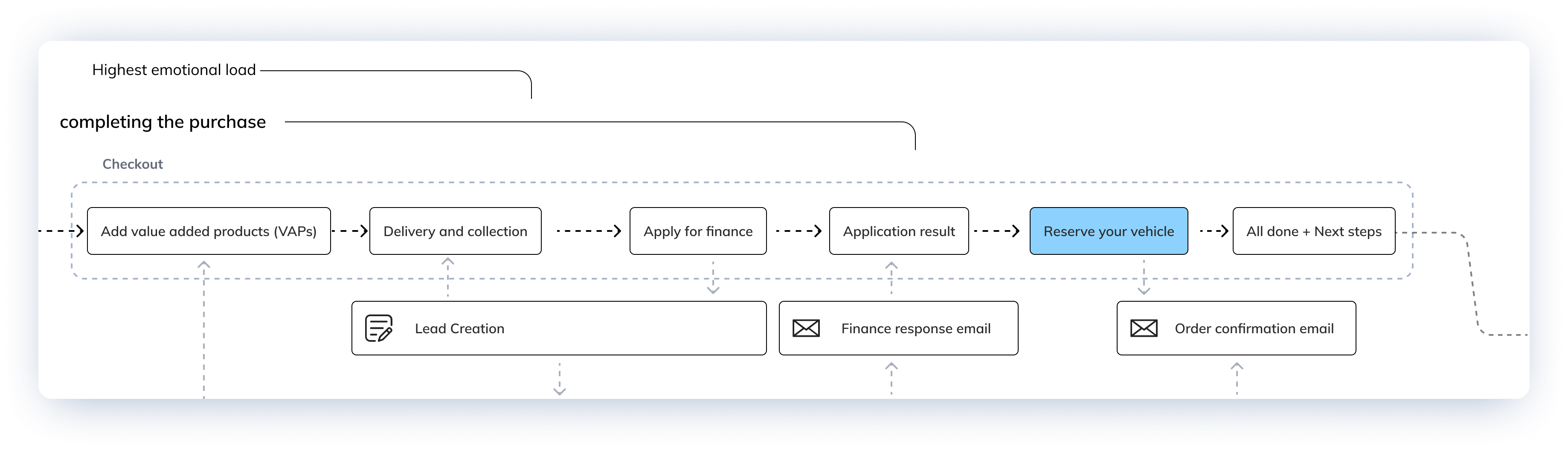
Changing the order of the tasks, moving the reserve from the second position to the last; this allows users to realise that the purchase process takes longer and requires more steps than what is needed for general lower-priced goods.

If they choose a finance path, it would be clear that they’ll need to wait for a response, while if they decide on a cash path, they’ll need to wait for the final invoice to arrive.
This would give them context and make it more reasonable to “secure” the vehicle with a small advanced payment.
(This iteration also addressed a wider problem around onboarding and reassurance. This is the subject of a separate case study.)


My notebook and the smartphone we use for interviewing people.

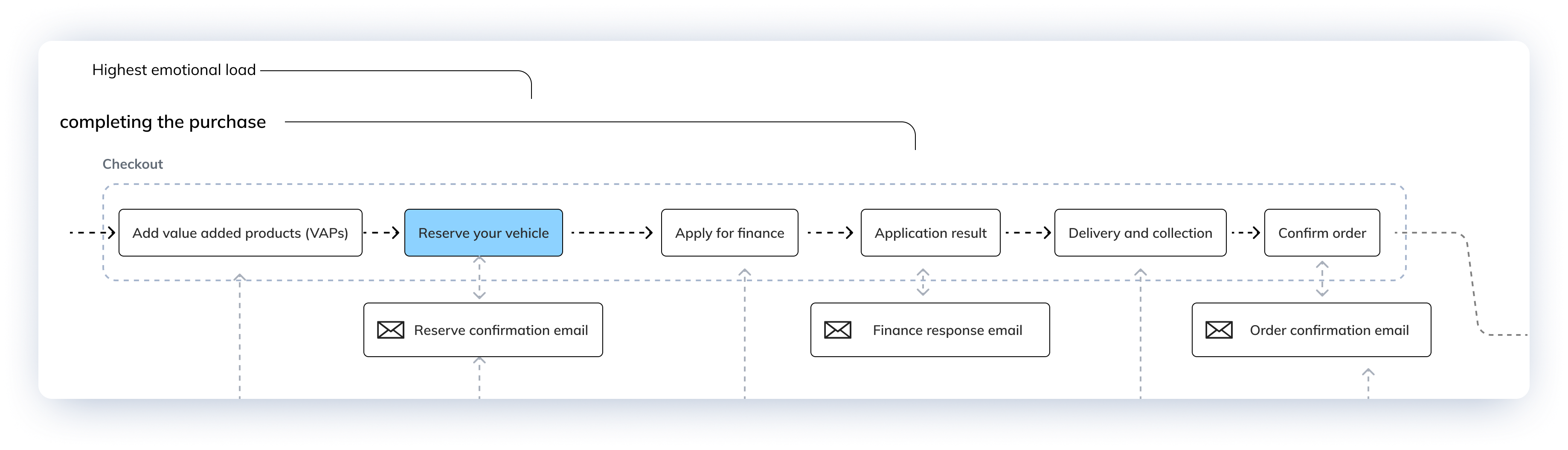
The flow before the changes

My notebook and the smartphone we use for interviewing people.

And after the changes

The outcomes

In-app reservations increased by 20–25% following the changes. Shortly after, an industry-wide stock crisis collapsed used car availability — which inflated reservation numbers further, as scarcity pushed users to secure vehicles faster. The more honest signal came when the crisis ended: the numbers held. That stability, independent of external pressure, was the actual confirmation that the design changes worked. A less-expected outcome was a significant increase in quality leads reaching retailers, suggesting users were progressing further with genuine intent before making contact.

Next steps: Reserve will become dynamically available only if needed (e.g. it should be prompted if the user takes longer than X amount of time or it should be proposed after the submission of a proposal), and with specific content addressing the fear of loss.


Artefacts.

Some concepts, prototypes and sketches produced during the process.

My notebook and the smartphone we use for interviewing people.

An old prototype. This would have allowed users to choose which task to tackle first.
What we discovered was that people got confused by having too many choices (information overload is the most likely culprit).


My notebook and the smartphone we use for interviewing people.

Another old prototype. This is part of a concept that present the reserve journey only if it's needed.


Copyright © Alessandro Molinaro 2006-2025